

Teaching Kids to Save Money: Tools & Resources

Build the saving habit early with the right strategies, tools, and conversations for every age.

Tools & Guides

Why Saving Is the Most Foundational Money Skill

The ability to delay gratification, putting money aside now for something better later, predicts financial stability well into adulthood. The good news: saving is a learnable habit. With the right structure, even a 5-year-old can feel the satisfaction of watching a jar fill up.

Age-Appropriate Saving Strategies

The approach should match your child's stage. What works for a 5-year-old frustrates a 13-year-old:

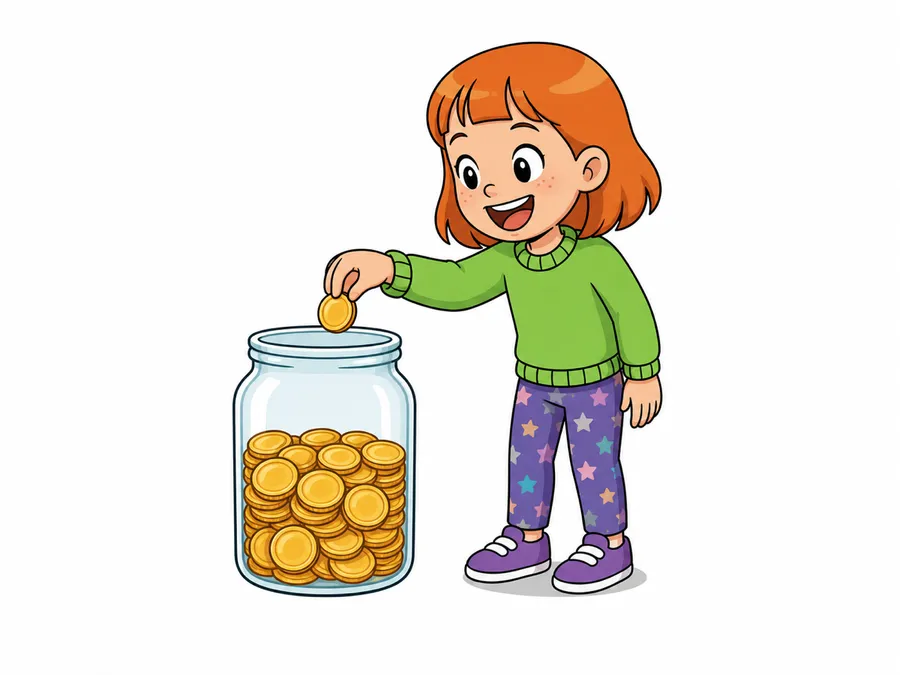
  • Ages 3-6: Clear jars and coin counting. Visible money beats a piggy bank, since kids can see progress and count along.
  • Ages 7-10: Goal-based saving. Pick a target, calculate how many weeks it takes, and track it on a chart.
  • Ages 11-13: Matching and interest. Double what they save each week toward a goal, like a kid-sized 401(k) match.
  • Ages 14+: Real accounts and budgets. Custodial bank account, debit card, and monthly budgeting they manage themselves.

Balancing Saving and Spending

Once kids start saving, the next challenge is balance. Over-emphasizing saving makes spending feel like failure and kills motivation. Structure allowance so both are built in: the 3-jar system gives kids guilt-free Spend money while the Save jar builds toward bigger goals. Use our Kids Budget Planner for a balanced budget at every age.

Teaching Wants vs. Needs

That balance gets easier when kids understand the core distinction behind every budget: wants versus needs. Needs keep you safe and healthy (food, shelter, clothing). Wants are everything else. Budgeting isn't about eliminating wants. It's about covering needs first and giving wants their proper space. Try our Wants vs Needs Sorter to make this concept hands-on and memorable.

The Basics of Budgeting for Kids

With wants and needs sorted, kids are ready for their first real budget. A budget decides what to do with money before it arrives: what's coming in, what's going out, and what's being saved. Start weekly for younger kids, shift to monthly for teens. The habit of thinking about money before spending it matters more than the exact amounts.

Saving Questions, Answered

Help kids see their savings grow

Penny Time makes saving visual and motivating. Kids track their balance in real time, and parents set the rules. Free for the whole family.

No credit card. No ads. No strings.