Chore Chart for Pocket Money
Pick your child's age, choose chores, and set how much each paid task earns. See your family's weekly pocket money total and print the chart.
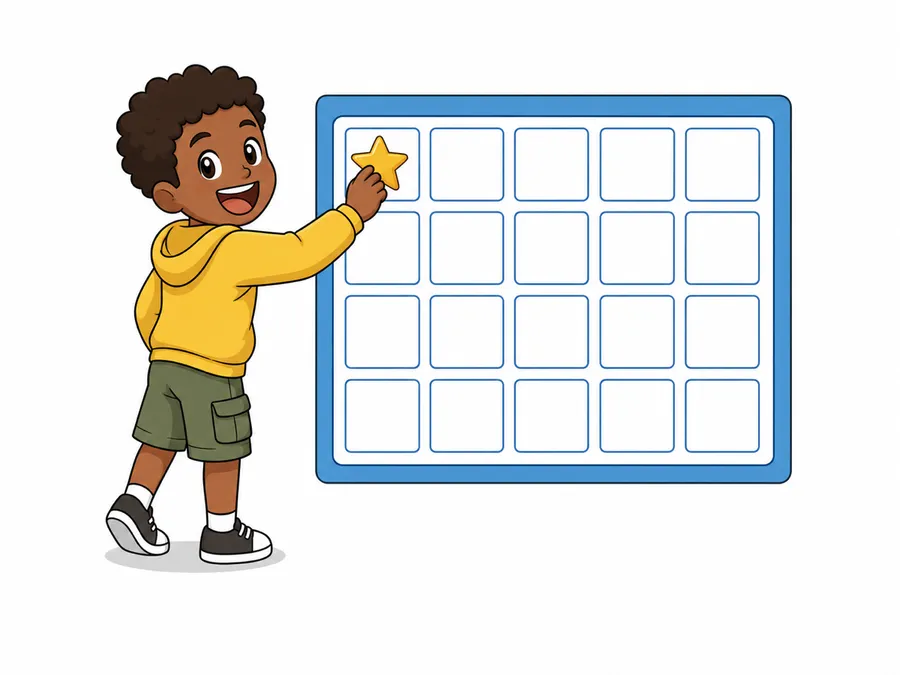
What is a fair chore chart with pocket money amounts by age?
A fair chore chart pays roughly $0.25 to $0.50 per chore for ages 2 to 5, $0.75 to $1.50 for ages 6 to 9, $1.50 to $3.50 for ages 10 to 12, and $2.00 to $7.00 for teens 13 to 17. Typical weekly totals land near half the child's age in dollars: a 6-year-old earns about $3, a 10-year-old earns about $5, and a 15-year-old earns about $7 to $15. Greenlight's family finance data shows US kids average $12.98 a week across ages 5 to 19, with steady scaling by age. This chart is a free printable from Penny Time; the Penny Time app does not track chores.
Most charts split tasks into two groups. Unpaid daily routines (making the bed, brushing teeth, clearing plates) build responsibility but do not earn money, because they are part of belonging to the family. Paid extras like vacuuming, washing the car, mowing, or deep cleaning sit on top of the routine and pay per task. A daily routine chart breaks the day into morning, after-school, and evening blocks, with 2 to 4 tasks per block for young kids and 4 to 6 for school-age children. The visible structure reduces nagging and builds independence faster than a single chore list.
Spin the chore wheel
A chore wheel hands out the family's chores at random, then turns one step each week so nobody is stuck cleaning the bathroom for months. A spin is also harder to argue with than a parent's pick.
Keep the chart on the fridge
Penny Time does not track chores. It handles the allowance side: the allowance you set lands in your child's own balance on schedule, and they see it in their history. They ask to cash out; you approve.


How Much to Pay Kids Per Chore
These suggested amounts are based on what families actually pay, gathered from parenting surveys and financial literacy organizations. Adjust up or down based on your budget and local cost of living.
| Age | Per-Chore Range | Typical Weekly Total |
|---|---|---|
| 2-3 | $0.25 - $0.50 | $1 - $2 |
| 4-5 | $0.50 - $1.00 | $2 - $4 |
| 6-7 | $0.75 - $1.50 | $3 - $6 |
| 8-9 | $1.00 - $2.50 | $5 - $10 |
| 10-12 | $1.50 - $3.50 | $7 - $15 |
| 13-15 | $2.00 - $5.00 | $10 - $20 |
| 16-17 | $3.00 - $7.00 | $15 - $30 |
Recommended Chores by Age
Based on developmental research and guidelines from the American Academy of Child & Adolescent Psychiatry, child development experts, and the University of Minnesota's landmark study on childhood chores.
| Age | Sample Chores | Daily Tasks |
|---|---|---|
| 2-3 | Put toys away, hamper clothes, wipe spills | 2-3 |
| 4-5 | Make bed, set table, sort laundry, feed pets | 2-4 |
| 6-7 | Sweep, vacuum, pack lunch, take out trash | 3-4 |
| 8-9 | Load dishwasher, fold laundry, clean bathroom | 3-5 |
| 10-12 | Cook simple meals, do laundry, mow lawn | 4-5 |
| 13-15 | Cook for family, grocery shop, yard work | 4-6 |
| 16-17 | Meal planning, home repairs, manage budget | 4-6 |
Pocket money chores by the numbers
- US average weekly allowance: $12.98 across ages 5 to 19, per Greenlight's 2023 family finance survey. A 6-year-old averages $6.69/week, a 10-year-old averages roughly $10, and a 15-year-old averages $17.09/week.
- Half-your-age rule of thumb: a weekly allowance equal to about half the child's age in dollars. A 4-year-old earns ~$2/week, a 12-year-old earns ~$6/week. Easy to remember, easy to scale as kids get older.
- Age kids should start chores: a long-running University of Minnesota study by Marty Rossmann found that children who started chores at age 3 or 4 were the most likely to develop into successful young adults across measures of academics, work ethic, and relationships.
- Tasks per daily block: 2 to 3 tasks per morning, after-school, and evening block for ages 3 to 5, scaling up to 5 or 6 per block for ages 12 and up. More than 6 tasks at a time tends to overwhelm kids regardless of age.
What is the half-your-age allowance rule?
The half-your-age rule sets a child's weekly allowance at roughly half their age in dollars. A 6-year-old earns $3 a week, a 10-year-old earns $5, a 14-year-old earns $7. Many parents tie this to a small set of paid chores so the money is connected to work rather than handed out automatically. The rule scales naturally as kids grow and matches typical US averages reasonably well through age 12, though teens often earn more once they take on bigger jobs like lawn care or babysitting.
How many chores should a 5 year old have on a daily routine chart?
Five-year-olds do best with 2 to 4 tasks per daily block (morning, after-school, evening), for a total of 6 to 10 simple chores across the whole day. Mix unpaid routines (brush teeth, put pajamas in hamper, make the bed with help) with one or two paid extras (matching clean socks, watering plants). Keep each task under 5 minutes and use a visible picture chart so the child can check items off independently. Consistency matters more than the exact number.
Chore Chart Ideas by Age
Every age group has a different set of chores that match their motor skills and attention span. Here are specific ideas to get you started.
Chore Ideas for 3 and 4 Year Olds
At this age, chores are really about building habits. Three- and four-year-olds learn by copying, so do every chore alongside them. Good starters: putting toys in a bin after playtime, placing dirty clothes in the hamper, wiping up spills with a cloth, and helping water plants. Keep each task under 5 minutes.
Chore Ideas for 5 Year Olds
Five is the age where most kids can follow a simple chore chart independently. They can make their bed (it won't be magazine-ready, and that's fine), set the table before meals, sort laundry by color, feed the family pet, and put groceries on low shelves. A sticker chart on the fridge works well because they can see their progress building up each day.
Chore Ideas for 6 to 9 Year Olds
School-age kids can handle multi-step tasks. Six- and seven-year-olds can pack their own lunch, sweep floors, and fold their laundry. Eight- and nine-year-olds can load the dishwasher, clean a bathroom, and help prepare simple meals. This is the age where you can introduce paid "extra" chores on top of unpaid family duties.
Chore Ideas for 10 to 12 Year Olds
Preteens are ready for real responsibility. They can cook simple meals, do their own laundry from start to finish, mow the lawn, and babysit younger siblings for short stretches. Give them ownership over which paid tasks they take on each week. Autonomy keeps them motivated.
Chore Ideas for Teens (13 to 17)
Teens should be practicing the life skills they'll need in a few years. Cooking dinner for the family, grocery shopping with a list and budget, basic home repairs, yard maintenance, and managing their own schedule all count. The chores at this age look less like "helping out" and more like adult competence.
Daily Routine Chore Chart by Age
A daily routine chart breaks tasks into morning, after-school, and evening blocks so kids know what to do and when. The structure reduces arguments and builds independence faster than a random chore list.
Daily Routine for Ages 3 to 5
Morning: Get dressed, brush teeth, put pajamas in hamper, eat breakfast, put plate on counter. After school/nap: Put shoes by the door, unpack bag, help set up snack. Evening: Put toys in the bin, dirty clothes in hamper, pick out tomorrow's outfit, brush teeth, storytime.
At this age, keep routines visual. A picture chart on the wall works better than a written list. Three to five tasks per block is the max before they lose focus.
Daily Routine for Ages 6 to 9
Morning: Make bed, get dressed, brush teeth, eat breakfast, pack school bag and lunch. After school: Unpack bag, put lunchbox in kitchen, homework, one household chore (sweep, vacuum, or wipe counters). Evening: Set the table, clear dishes, prepare clothes for tomorrow, reading time, bedtime routine.
Six- to nine-year-olds can follow a written checklist. Tape it to their door or the fridge. When they can check items off themselves, you stop being the reminder.
Daily Routine for Ages 10 to 12
Morning: Make bed, get ready independently, check school schedule, pack what they need. After school: Homework first, then 20 to 30 minutes of household tasks (dishes, laundry, tidying common areas). Evening: Help with dinner prep or cleanup, pack bag for tomorrow, personal hygiene, wind-down time.
Preteens are ready to own their routine without a visual chart on the wall. A simple checklist app or notebook works. The goal shifts from compliance to self-management.
Daily Routine for Teens (13 to 17)
Morning: Full self-management - ready for school on time, breakfast handled, room presentable. After school: Homework and study schedule, one family contribution (cooking, errands, yard work), personal responsibilities (laundry, car maintenance if applicable). Evening: Kitchen cleanup after dinner, prep for next day, manage their own bedtime.
Teens who follow a daily routine at home adjust faster when they move out. By 16, the routine should look like what they will do as an adult living alone - because that is exactly the point.
Chore Chart Rewards That Actually Work
Money is the most popular chore reward, but it's not the only option. The best reward systems use a mix of incentives that match your child's age and interests.
Money Rewards
Paying per chore teaches kids the direct connection between work and earning. Use the chart builder above to set a dollar amount for each task. The pay scale table shows what most families pay by age. Combine this with an allowance splitter to teach saving and spending habits at the same time.
The Penny Time app does not track chores or pay per task, so chore pay stays on the chart. The app adds the weekly allowance you set to your kid's balance automatically, and they can watch it add up.
Non-Money Rewards
Younger kids often respond better to non-money rewards. Ideas that work well:
- Choose what's for dinner one night
- Extra 15 minutes of screen time
- Family movie night pick
- Stay up 15 minutes past bedtime
- Pick the weekend activity
- Special one-on-one time with a parent
- Friend sleepover
Age Appropriate Rewards for Chores
The same reward does not land the same way at 5 and at 15. A rough guide by age:
- Ages 3 to 5: stickers, filling in the chart themselves, picking the bedtime story. Cash means very little this young. Finishing the row is the reward.
- Ages 6 to 9: small amounts paid the same week, extra screen time, choosing dinner or the movie. Money starts to feel real here, so pay weekly rather than monthly.
- Ages 10 to 12: higher per-chore amounts and saving toward something specific. Point systems suit this age because kids can finally plan a few weeks ahead.
- Teens 13 to 17: real money and some say in how it gets spent. Privileges beat trinkets now, so think later curfew, phone data, or driving practice, and tie the bigger jobs to bigger pay.
Point Systems
A point system works like a household currency. Each chore earns points, and kids "spend" points on rewards from a menu you create together. That teaches delayed gratification. Saving up 50 points for a big reward beats cashing in 10 points for a small one. It's the same skill that makes adults better with money.
Why Chore Charts Stop Working (and How to Fix Yours)
Most chore charts stop working within two or three weeks, and it is almost never the chart's fault. The usual causes: too many chores at once, a payoff that lands too far away, a parent stuck playing enforcer, and pay rules that keep shifting. Fix those four and a chart that failed starts working again.
A chore chart usually starts strong. The novelty carries the first few days, then interest fades and the chart becomes fridge decoration. That is rarely the chart's fault. Four things tend to break it:
- Too many chores at once. Twelve daily tasks looks thorough on paper and feels impossible by Wednesday. Three or four a day is plenty.
- The payoff is too far away. Settling up at the end of the month means nothing to a 6 year old. Younger kids need to see the result the same day or the same week.
- You end up as the enforcer. If you are reminding them every evening, the chart is not doing its job. Put it somewhere everyone walks past and let it do the nagging.
- The rules keep moving. Pay that shifts with your mood teaches kids to negotiate rather than to work.
What actually works is fairly boring: the same chores, on the same days, for the same pay, revisited once or twice a year as your child gets older. Start smaller than feels right. A short chart your kid finishes every day builds the habit faster than an ambitious one they quit after two weeks.
Chore charts for kids with ADHD or who get distracted easily
If your child has ADHD or just loses focus fast, the same fixes matter more, not less. Keep the list short (two or three tasks), lean on visual cues like pictures or color instead of long written lists, break bigger jobs into single steps, and pay out the same day so the reward is close enough to feel real. A quick check-in together beats a reminder shouted across the house.
Why Chores and Pocket Money Work Together
A landmark study from the University of Minnesota followed children for over 20 years and found that the single best predictor of a young adult's success wasn't IQ or family income. It was whether they started doing household chores at age 3 or 4.
When you connect chores to pocket money, you add a second lesson on top of responsibility: the link between effort and earning. Kids who earn their pocket money through specific tasks learn to budget, save toward goals, and make trade-offs. Those skills stick well into adulthood.
Setting Up a Chore Pay Scale
The simplest approach is to split chores into two groups. Family duties like making the bed, clearing plates, and keeping their room tidy are expected and unpaid. Extra tasks such as washing the car, deep-cleaning a room, or mowing the lawn are paid at an agreed rate. This two-track system teaches both responsibility and the value of work.
When setting amounts, start low and increase with age. A 6-year-old might earn $0.75 for vacuuming one room, while a 14-year-old earns $4 for mowing the entire lawn. The chart builder above lets you customize every amount so you can match your family's budget exactly.
Teachers run a version of this at school. In a classroom economy, each student holds a paid class job, pays desk rent, and saves up for the class store.
Making It Stick
Consistency matters more than motivation. Same chores, same days, same pay. Print the chart and put it where everyone can see it. The fridge is ideal. When the rules are visible and agreed upon, you stop being the enforcer and the chart does that job for you.
What Chores Should Kids Do at Every Age?
Kids can start helping around the house earlier than most parents expect. The key is matching the task to the child's physical ability and attention span. Here is a practical breakdown by age group. For the full list by age with what to pay for each task, see our age-appropriate chores for kids 3 to 17.
Ages 3 to 5: Building the Habit
Toddlers and preschoolers learn by doing things alongside you. Keep tasks short, physical, and easy to see when they are done. Do not expect perfection. The point at this age is routine, not results.
- Put toys back in the bin after playtime
- Place dirty clothes in the hamper
- Wipe up small spills with a cloth
- Help water plants with a small watering can
- Put shoes by the door
- Stack books on a shelf
- Sort clean socks by color
Ages 6 to 8: Working Independently
Kids this age can follow a checklist without constant supervision. They are ready for multi-step tasks and can remember a short routine if it stays consistent each day.
- Make their bed each morning
- Pack their own school lunch
- Sweep the kitchen floor
- Take out the trash
- Fold and put away their laundry
- Set and clear the dinner table
- Vacuum one room
Ages 9 to 11: Real Responsibility
At this stage, kids handle multi-step chores and can manage a weekly routine with minimal reminders. Want paid jobs beyond chores? See real ways for 10 year olds to earn money.
- Load and unload the dishwasher
- Clean the bathroom (sink, mirror, toilet)
- Vacuum and mop floors
- Prepare simple meals or snacks
- Walk the dog
- Rake leaves or pull weeds
- Do their own laundry from start to finish
Ages 12 to 14: Earning Trust
Preteens and young teens are ready for tasks that require judgment, not just effort. These chores build the life skills they will need soon.
- Cook a full meal for the family
- Mow the lawn
- Deep-clean a room
- Babysit younger siblings for short periods
- Wash and vacuum the car
- Help with grocery shopping using a list
Ages 15 and Up: Practicing Adulthood
Teens should be doing chores that mirror the tasks they will handle when they live on their own. The goal is competence, not just compliance.
- Plan and cook meals for the week
- Grocery shop on a budget
- Handle basic home repairs
- Maintain the yard independently
- Deep-clean the kitchen and bathrooms
- Manage their own laundry, room, and schedule
How Much Should You Pay Kids for Chores?
There is no single right number, but most families land in a predictable range. Greenlight's 2024 data reports that the average allowance across ages 5 to 19 is $12.98 per week. Whether you pay a flat weekly amount or price each chore individually, the amounts below give you a starting point.
Per-Chore Pricing
Paying per chore teaches kids that harder or longer tasks earn more. A simple way to set prices:
- Quick tasks (under 10 minutes): $0.50 to $1. Making the bed, wiping down a table, taking out trash.
- Medium tasks (10 to 30 minutes): $1 to $3. Vacuuming, cleaning a bathroom, folding laundry.
- Big tasks (30+ minutes): $3 to $5 or more. Mowing the lawn, deep-cleaning the kitchen, washing the car.
Adjust up for older kids and down for younger ones. A 7-year-old vacuuming one room might earn $0.75, while a 14-year-old doing the same job earns $1.50 because you expect a better result.
For a detailed price list organized by task and age, see the chore chart with prices tool.
Weekly Flat Rate vs. Per-Chore Pay
Some families prefer a flat weekly allowance tied to completing all assigned chores. Others price each task separately so kids can earn more by doing extra work. Both approaches work. The flat rate is simpler to manage. Per-chore pay gives kids more control over their earnings and teaches them that effort scales.
Whichever method you choose, be consistent. Changing the system every few weeks confuses kids and undermines the lesson. Pick one approach, try it for a month, and adjust amounts if needed.
Should All Chores Be Paid?
Most child development experts and financial educators recommend splitting chores into two categories rather than paying for everything.
Unpaid Family Duties
These are baseline responsibilities every family member handles. They are not optional and they do not earn money. Examples:
- Making their bed
- Putting dishes in the sink or dishwasher
- Keeping their room clean
- Putting dirty clothes in the hamper
- Clearing their plate after meals
The lesson here is simple: you contribute to the household because you are part of the family, not because you are getting paid.
Paid Extra Tasks
These go beyond the basics. They take more time, more effort, or are tasks the family would otherwise pay someone else to do. Examples:
- Mowing the lawn
- Deep-cleaning a room
- Washing the car
- Babysitting younger siblings
- Yard work (raking, weeding, trimming)
The lesson here: work beyond what is expected earns money. This two-category system teaches both responsibility and the connection between effort and earning. For a deeper look at the pros and cons, read the chores vs. no chores guide.
Related guide: To put a dollar amount on each job, our allowance chore chart with prices lists a per-chore pay range and a weekly cap for every age from 4 to 17.
Frequently Asked Questions
-
It depends on the child's age and the difficulty of the task. A common guideline is $0.50 to $1 per chore for ages 4 to 7, $1 to $3 for ages 8 to 12, and $3 to $7 for teens. Simple tasks like making the bed pay less than bigger jobs like mowing the lawn. The chart above lets you set custom amounts for each chore so you can match your family's budget.
-
Most financial educators recommend splitting chores into two categories: unpaid family duties (making their bed, clearing their plate) and paid extra tasks (washing the car, deep-cleaning a room). Basic household help teaches responsibility; paid extras teach the connection between work and earning money.
-
More than you'd think. Three-year-olds can put toys in a bin, place dirty clothes in the hamper, wipe up small spills, help water plants, and stack books on a shelf. Keep tasks simple, physical, and visible. They learn by doing, not by following complex instructions.
-
Start with 2 to 3 daily chores for young kids (ages 3 to 5) and gradually increase to 4 to 6 for school-age children. Teens can handle a larger share. The goal is building a habit without overwhelming them. Consistency matters more than quantity.
-
Research from the University of Minnesota found that the best predictor of a young adult's success was whether they started doing chores at age 3 or 4. Starting early, even with simple tasks like putting toys away, builds a sense of responsibility that sticks.
-
A common approach is to pay roughly half the child's age per week for basic paid chores, so a 10-year-old might earn around $5 per week. For individual tasks, scale by effort: quick jobs like emptying the dishwasher might be $1, while bigger jobs like mowing the lawn could be $5. Adjust based on your local cost of living and family budget.
-
Make it routine, not a request. Same chores, same time, every day. Use a visible chart so the task list isn't coming from you. It's coming from the chart. Praise effort over results. And for younger kids, do chores together at first; they'll eventually do them solo.
-
Five-year-olds can handle more than most parents expect. Good starting chores include making their bed (it won't be perfect, and that's fine), setting the table, sorting laundry by color, feeding pets, and putting away groceries on low shelves. Keep each task to under 10 minutes and pair it with a visible chart they can check off themselves. Sticker charts work well at this age because kids can see their progress.
-
Break the day into three blocks: morning (get ready, make bed, pack bag), after school (homework, one household chore, free time), and evening (dinner help, clean up, prep for tomorrow). Keep it age-appropriate. A 4-year-old needs 3 tasks per block, while a 12-year-old can handle 5 or 6. Post the chart where they'll see it every day.
-
Money is the most common reward, but it's not the only one that works. Non-money rewards include choosing what's for dinner, extra screen time, a family movie night, staying up 15 minutes later, or picking the weekend activity. Many families combine both: basic chores earn small privileges, while bigger tasks earn pocket money. The key is letting your child help choose the rewards so they stay motivated.
-
Most charts stop working within two or three weeks for one of four reasons: too many chores at once, a payoff that's too far away, a parent who ends up doing the reminding, or pay rules that keep changing. Trim the list to three or four daily tasks, pay out the same day or week for younger kids, put the chart somewhere everyone passes so it does the nagging, and keep the pay steady. Fixing those usually revives a chart that stalled.
-
Yes. Build your chart above with your own chores and amounts, then hit Print for a clean one-page allowance chart, with no signup, email, or subscription required. It prints a personalized chart you can put on the fridge, rather than a generic template you fill in by hand.
-
A chore wheel lists your household chores and your kids' names, then gives each chore to one child, usually by spinning or drawing at random. Every week it turns one step, so the jobs rotate and no one is stuck with the worst one for long. The spinner above splits chores evenly between up to six kids and rotates them with one click.

Raise kids who understand how money works
Download the app, add your child, and connect their phone or tablet by scanning a code. About a minute, no email needed for kids.
How setup works for you and your child →
No ads. No data selling. No credit card.
Last updated: